NEWS!! Bike/Ped Education in Driver Manual Bill was SIGNED!

From New Jersey Bike&Walk Coalition:
Our bill was signed this morning! This is a HUGE success! Great job all of you who responded to our call to action- YOU made this happen!
We had 755 people respond to our call to action to Gov Christie via email to sign this bill into law. And we think just as many called the governor’s office in support of the bill.
This is what it takes, folks! We have an aggressive legislative agenda for the new administration, outlined in a white paper we submitted along with our community partners, and we plan to keep this momentum going in the new session.
On behalf of everyone who has had a driver yell at them, “Roads are for CARS!” thank you for speaking up and for getting involved.

Once seniors are too old to drive, our transportation system totally fails them

The article makes the case for providing seniors motorized transportation, and doesn’t address the need for better infrastructure for elderly pedestrians.  Many cities like Asbury Park have Complete Streets policies which list specific improvements to city streets to make streets safer and transportation accessible to those without cars.  Streets that are safe for the most vulnerable; from age 8 to 88.

“More than anything else, self-driving cars could revolutionize seniors’ transportation options. Widespread self-driving technology is still years away, but Google has programmed cars that can safely navigate a heavily mapped area in Northern California.”

“Some experts are skeptical that they’ll ever be functional in real-world driving conditions across the country. But if they do, they could provide an easy means of getting around for people who can no longer drive — allowing millions of seniors to remain in their homes without becoming isolated.”

Read more…

https://www.vox.com/2015/6/12/8768827/seniors-aging-car-driving

How To Make Snow-Bound Cities Less Of A Frozen Hell For People With Disabilities

Many cities in the US, just like Asbury Park struggle with the question of “whose job is the snow?”  Homeowners are responsible for clearing sidewalks, but the opening from sidewalk to street may be routinely plowed in and snow piled up during the course of a storm and afterward, making it almost impossible for anyone to get cross the street without hiking boots and crampons, let alone a wheelchair.

“Without clear, accessible streets, people with restricted mobility often face a tough choice in winter: struggle to cross icy sidewalks and snowbanks, or stay indoors. But it’s very possible for cities to better design their winter strategies for people of all abilities.”

“What bad weather does is exacerbate the mobility problems that people experience in a city under normal conditions,” says Brent Toderian, founder of Toderian UrbanWorks, a Vancouver-based urban design consultancy, and former planning director in both Vancouver and the very snowy city of Calgary. “If you’ve designed a city badly–for instance, by prioritizing cars instead of people–it’s going to be hard for people to get around, and bad weather makes things worse.”

Read more…

https://www.fastcompany.com/40515235/how-to-make-snow-bound-cities-less-of-a-frozen-hell-for-people-with-disabilities

What Complete Streets Planning and Swiss Cheese Have in Common

The article focuses on Vision Zero and traffic safety globally but we can apply the same science on the local level in Asbury Park.

“As “Vision Zero” becomes a household term in the U.S. — and the policymakers implementing it start to see results — traffic fatalities remain the 10th leading cause of death worldwide. The vast majority of those deaths (a whopping 90 percent) occur in low- and middle-income countries, and because many of those countries are just now beginning to ramp up their transportation infrastructure, the problem, if unaddressed, will only get worse.”

“Overall, the research does a good job of calling out the global problem and identifying one or two promising examples. But obviously, the challenges facing the countries with the highest rates of pedestrian deaths often involve poverty and political instability — and those are challenges that need to be addressed before the Swiss cheese theory will do any good.”


Read more…

https://nextcity.org/daily/entry/complete-streets-planning-swiss-cheese-have-in-common

Ford’s mobility service platform will help cities ‘take back’ their streets

Car manufacturers are getting smart, focusing beyond the industry of building cars, and it’s great news!  Ford is acknowledging that there’s a demand for infrastructure for various modes of transportation, and that they need to communicate and work together.

From Marcy Klevorn, Ford Executive Vice President and President, Mobility:

Optimizing at this system level requires the components in the transporttion ecosystem be able to communicate — to speak the same language. That’s where technology like cellular vehicle-to-everything can play an important role. C-V2X capability, which we’re working to validate with our partners at Qualcomm, enables various technologies and applications in a city — vehicles, stoplights, signs, cyclists and pedestrian devices — to speak to to each other and share information.

  • During a keynote speech at CES this week, Ford CEO Jim Hackett announced the automaker will work with Silicon Valley-based Autonomic to develop an open, cloud-based mobility service platform dubbed the “Transportation Mobility Cloud.”
  • The main objective of the cloud is to enable “transportation modes” in cities — including personal vehicles, ride-share services, bike-sharing networks, delivery services, buses and trains — to share information and streamline services more efficiently. The key to this information sharing will be cellular vehicle-to-everything (C-V2X) technology, which will allow “vehicles, stoplights, signs, cyclists and pedestrian devices” to communicate quickly and securely.

Read more…

https://www.smartcitiesdive.com/news/ford-mobility-cloud-service-platform-automatic-CES/514432/

Level Of Traffic Stress Affects Everyone

How does Level Of Traffic Stress affect the way people use city streets on bikes or on foot?

Asbury Park Complete Streets Coalition urges the city to implement bicycle infrastructure detailed in the Plan For Walking And Biking.

We need to build an interconnected bicycle network, including left turn lanes from Main Street, and we need leading pedestrian and leading bicycle intervals (LPIs and LBIs), build mini traffic circles and other methods to calm traffic, and provide clear signage for motorists and people riding bikes and walking to enable everyone, especially the most vulnerable  to get to destinations safely.

Why Does LTS Matter?

To help identify what data may be most appropriate for your local context, it may be helpful to consider what type of bikeway network that residents and visitors to your city, county, or region may want or what threshold must be crossed to convince non-bicyclist to give bicycling a try.

“Creating a less stressful bicycle network though minimizing or eliminating some of these factors can help to make bicycling more appealing to a broader segment of the population. Ultimately, LTS tries to capture the increasing number and diversity of people that may be willing to use a bicycle facility as these stress factors are reduced.”

To learn more, read the comments to this graphic in a lively conversation on ALTA Planning’s Face Book page.

About 50% of our trips are ≤ three miles. Why aren’t more short trips made by foot or bike? One piece of the puzzle is that travel distance along high-stress routes feels longer than it actually is.

To build an inclusive smart city, look through an age-friendly lens

Active aging. Aging in place.  As the Boomer generation is aging, these are desirable characteristics of a well-designed city. It has infrastructure in place so that elderly don’t have to drive to shop, to church, recreational activities, or dining.  A walkable and bike-able city is a safe city, and Asbury Park Complete Streets advocates for streets that are safe for an 8-year-old or an 88-year-old. Asbury Park is perfectly positioned with streets being paved and sewers being repaired to put in place new and better infrastructure and transportation options for everyone.

As the aging population expands, some cities are implementing strategic plans to ensure the needs of the elderly are met — especially in terms of mobility and housing.

“Comprehensive plans really are the opportunity for a community to come together and connect all the dots that comprise a healthy, livable place,” said Danielle Arigoni, director of livable communities for AARP. Leaders can “stitch together the connections that exist between housing and how people get around, between infrastructure investments and … whether or not there’s pedestrian infrastructure in place,” she said.

Read more…

https://www.smartcitiesdive.com/news/to-build-an-inclusive-smart-city-look-through-an-age-friendly-lens/514328/

No Street Is “Complete” Without Taking Equity Into Account

Asbury Park Complete Streets Coalition focuses on Equity.  Many residents in AP do not own cars and move about the city on foot, on bikes, or with wheelchairs.  Streets are complete when they are safe for the most vulnerable: streets that are safe for an 8-year-old or an 88-year old.  

By meeting the needs of underserved communities – lower-income, elderly, immigrants, etc., Complete Streets implementation can be geared towards the needs of those residents and not simply those of neighborhood newcomers.

The article points out that underserved communities disproportionately bear the brunt of pedestrian and bicycle injuries, yet typically receive fewer infrastructure enhancements:  improved crosswalks, narrower travel lanes, better lighting, bike amenities, street trees, etc.  The updated policy metrics steer cities towards reducing the disparity between vulnerable users and street improvements.  As advocates, it’s our job to communicate the idea that CS improvements are intended to serve our vulnerable communities, not displace them.  

For 10 years, the National Complete Streets Coalition has scored thousands of “complete streets” proposals from around the U.S. This year, for the first time, they’re including equity and diversity outcomes as part of their grading rubric.

Weeks ago, on November 19, activists and mourning families in cities around the U.S gathered in public squares for the World Day of Remembrance for Traffic Victims. There, they heard how many people were injured on their city’s streets each month of the year; the names of the dead were read out loud.

To date, over 18 U.S. cities have joined the Vision Zero initiative–a multi-national effort to bring the number of traffic deaths down to zero through a combination of street-design projects and policy. But still, the number of traffic fatalities keeps rising in the U.S. From 2015 to 2016, the number of pedestrian deaths increased 11% to around 6,000–the biggest-ever single-year increase in pedestrian fatalities. Cyclist deaths are also on the rise.

Read more…


Senate Bill to Put Bicycle and Pedestrian Education in the NJ Driver Manual

Improve Driver Education in New Jersey with Senate Bill 2894!

Click here to sign!

http://p2a.co/a2nyrz8

Christie has to sign on to get bicyclist and pedestrian safety information in the NJ Driver Manual by JANUARY 16.  He has a pile of bills on his desk so let’s get this one to the top!

This bill will improve safety on roads for everyone.   It requires the New Jersey Driver Education Course, Driver’s Education Manual, and written exam to include bicyclist and pedestrian safety information.

Bike riders and pedestrians in New Jersey are not safe on our roads!

Our state ranks among the highest in the nation for bike rider and pedestrian road fatalities. It’s time that drivers learned that our roads are for bike riders and pedestrians also.

Senate bill 2894 requires the New Jersey driver education course, driver’s education manual, and driver’s license written exam to include bicyclist and pedestrian safety information.

Click here to sign!

http://p2a.co/a2nyrz8

Both the Senate and the Assembly have passed S2894/A4165.

Now it is time for Governor Christie to sign this bill into law. He has until January 16th to sign the bill; otherwise, it will expire and we must begin all over again to get this bill through both the Assembly and the Senate. Click to send a message to Governor Christie that now is the time to start making our roads safer, and a good beginning is educating new drivers, including teenagers, on their responsibilities toward bike riders and pedestrians.

The NJ Bike & Walk Coalition, Bicycle Coalition of Greater Philadelphia, and the League of American Bicyclists support this bill and ask you to speak up!

Click here to sign!

http://p2a.co/a2nyrz8
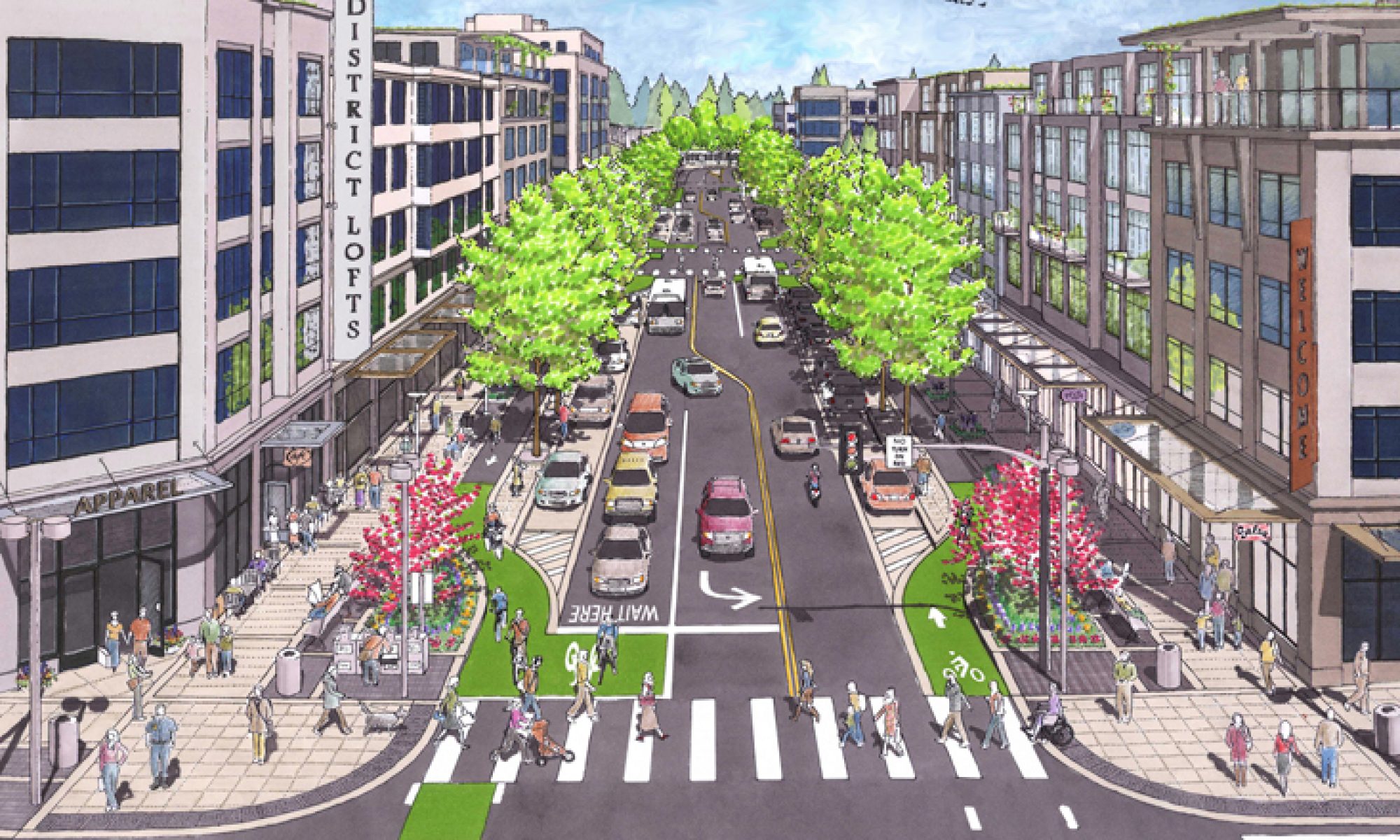
The silly unintended consequences of mandatory helmet laws

A bit off-topic from our snow focused posts lately, but let’s talk about something that comes up constantly and will be a subject as soon as snow melts.  HELMETS.  Kids on bikes under 17 are required by law to wear helmets.  In some states adults on bikes are required to wear helmets.  What do you think?  Should motorists be required to wear helmets?

Check it out.

“It is becoming abundantly clear there is far more safety in numbers than Styrofoam. Studies report that doubling the number of cyclists results in a one-third reduction in the number of car-bike collisions. And as Brent Toderian, a former Vancouver city planner and helmet law critic, stated at an SFU roundtable discussion last month: “There is no doubt that the safest thing for cyclists is more cyclists.”

Read more…

https://www.treehugger.com/bikes/silly-unintended-consequences-mandatory-helmet-laws.html