Cities are looking at ways to ensure growth and vitality. It’s FAMILIES. Schools, housing, daycare, family spaces.

Young families typically leave cities for the suburbs. Here’s how to keep them downtown.
Read about it:

Asbury Park Complete Streets Coalition
Transportation Equity in Our City
Cities are looking at ways to ensure growth and vitality. It’s FAMILIES. Schools, housing, daycare, family spaces.

Read about it:
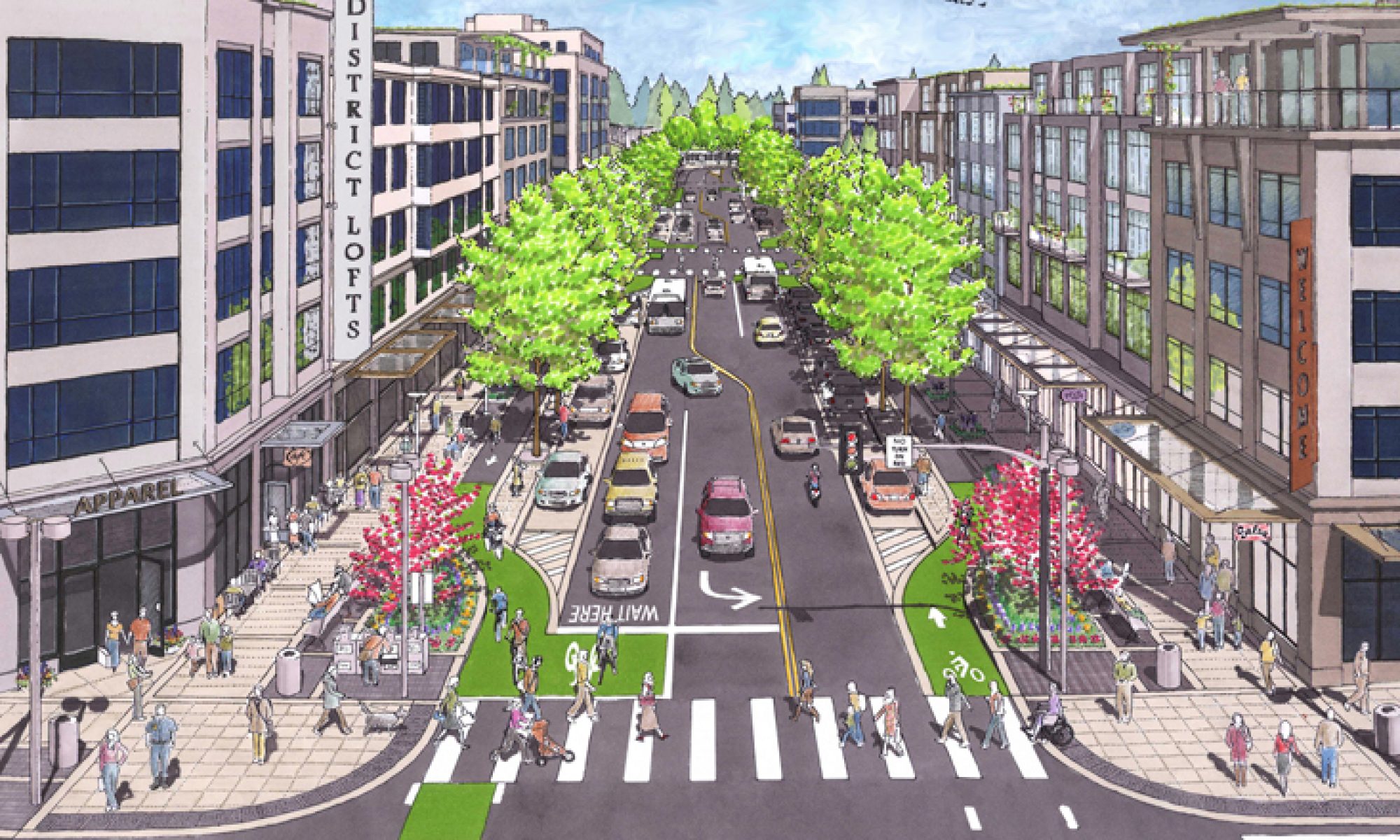
Public spaces need to be designed so that people don’t die.

“Humans make errors and willingly or unwillingly break rules. This is a given that cannot be changed. So roads and streets should be designed in such a way that this natural human behavior does not lead to crashes and injuries.” — The Dutch Institute for Road Safety Research

Sustainable Safety (“Duurzaam veilig” in Dutch) is the name of the Dutch approach to achieve a better road safety.
Read about it:
https://bicycledutch.wordpress.com/2012/01/02/sustainable-safety/
The Book:
Building the Cycling City: The Dutch Blueprint for Urban Vitality http://www.modacitylife.com/building-the-cycling-city/


 Give the Curb Your Enthusiasm
Read more…

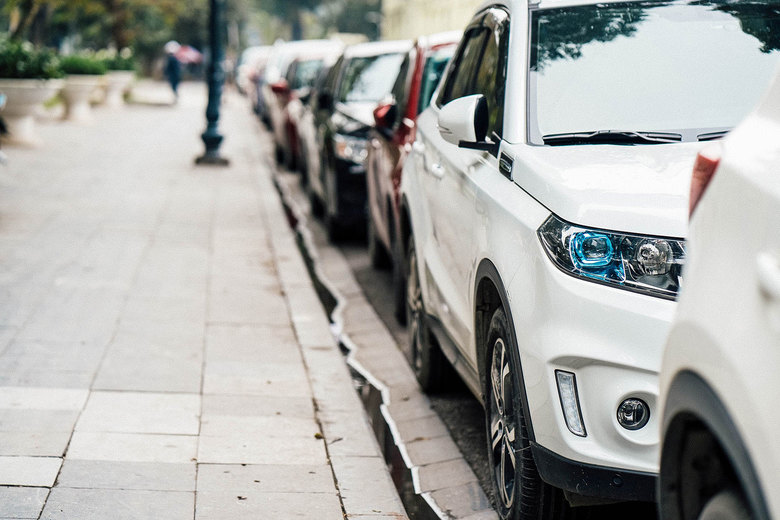
Groundbreaking research presents credible estimates of the total parking supply in several American cities, and it’s not pretty.
“Parking spaces are everywhere, but for some reason the perception persists that there’s “not enough parking.” And so cities require parking in new buildings and lavishly subsidize parking garages, without ever measuring how much parking exists or how much it’s used.”

https://usa.streetsblog.org/2018/07/12/american-cities-are-drowning-in-car-storage/
 Two-wheel takeover: bikes outnumber cars for the first time in Copenhagen
“People see that the fastest way to get around town is on a bicycle…”

Denmark’s capital has reached a milestone in its journey to become a cycling city – there are now more bikes than cars on the streets. Can other cities follow?
“The next step… is to create good alternatives to the car. ”
“You can’t just prohibit cars and then deal with it … That’s why we’re expanding the metro and investing in bike infrastructure. Give people options and then slowly take away space from cars and give it to bikes.”
Read more…


Our research tells us that lots of problems stem from the way we use cars. We price roads wrong, so people overuse them. Cars are a major source of air pollution, including carbon emissions. Car crashes kill tens of thousands of Americans every year, injure many more, and cost us billions in medical costs and property damage. And building our cities to accommodate cars leads to a suburban development pattern that pushes us further apart from one another, creating infrastructure costs that drown our cities in massive maintenance expenses.


A homegrown app called Whim turns the act of getting around a city—by bus, train, bike, taxi or borrowed car—into a monthly subscription.
Mazumder, Urban Scientist. Community Builder. Keynote Speaker.
We need to change the conversation on shared responsibility.
“Cyclists have nothing to “share”. By virtue of their ability to injure and kill, drivers own the power, and, ultimately, the road. Cycling infrastructure is infinitely more effective at ensuring cyclist safety than a “share the road” campaign is.”

This advice is not only wrong, but it adds confusion to how sharrows should be used, and ultimately could put cyclists in harm’s way. The City of Kitchener’s website clearly states: “sharrows in the middle of the traffic lanes indicate that cyclists may take the full lane and reminds drivers to share the road with cyclists.”
Read more…http://robinmazumder.com/2018/06/14/sharing-isnt-caring-shifting-gears-on-shared-responsibility/
Streets were once considered public spaces, places for people, but have become dominated by cars, and streets designed for speedy traffic flow. Now people are marginalized, called “pedestrians” and those walking outside of painted lines are demonized as “jaywalkers”, and blamed if they are injured or killed.

THE WEAPONIZATION OF JAYWALKING

“Before the advent of the automobile, users of city streets were diverse and included children at play and pedestrians at large. By 1930, most streets were primarily motor thoroughfares where children did not belong and where pedestrians were condemned as ‘jaywalkers’.”
Read more…
https://m.connectsavannah.com/savannah/the-weaponization-of-jaywalking/Content?oid=9075499

July 03, 2018

“There is this false narrative, this dangerous lie, that people on bikes are somehow getting away with something, that they’re not paying their way,” Toderian explains. “This isn’t just a little wrong, it’s a lot wrong. We know factually that walking and biking are the two ways of getting around that actually save society money for each kilometre travelled. And that’s even before we consider all the many benefits that aren’t just about money.”

Read more…