From Asbury Park Complete Streets Coalition: Stay safe out on the roads whatever your mode of transportation!

Read more…

Asbury Park Complete Streets Coalition
Transportation Equity in Our City
From Asbury Park Complete Streets Coalition: Stay safe out on the roads whatever your mode of transportation!

Read more…
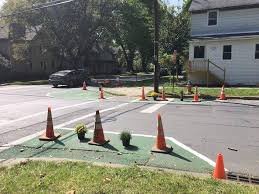
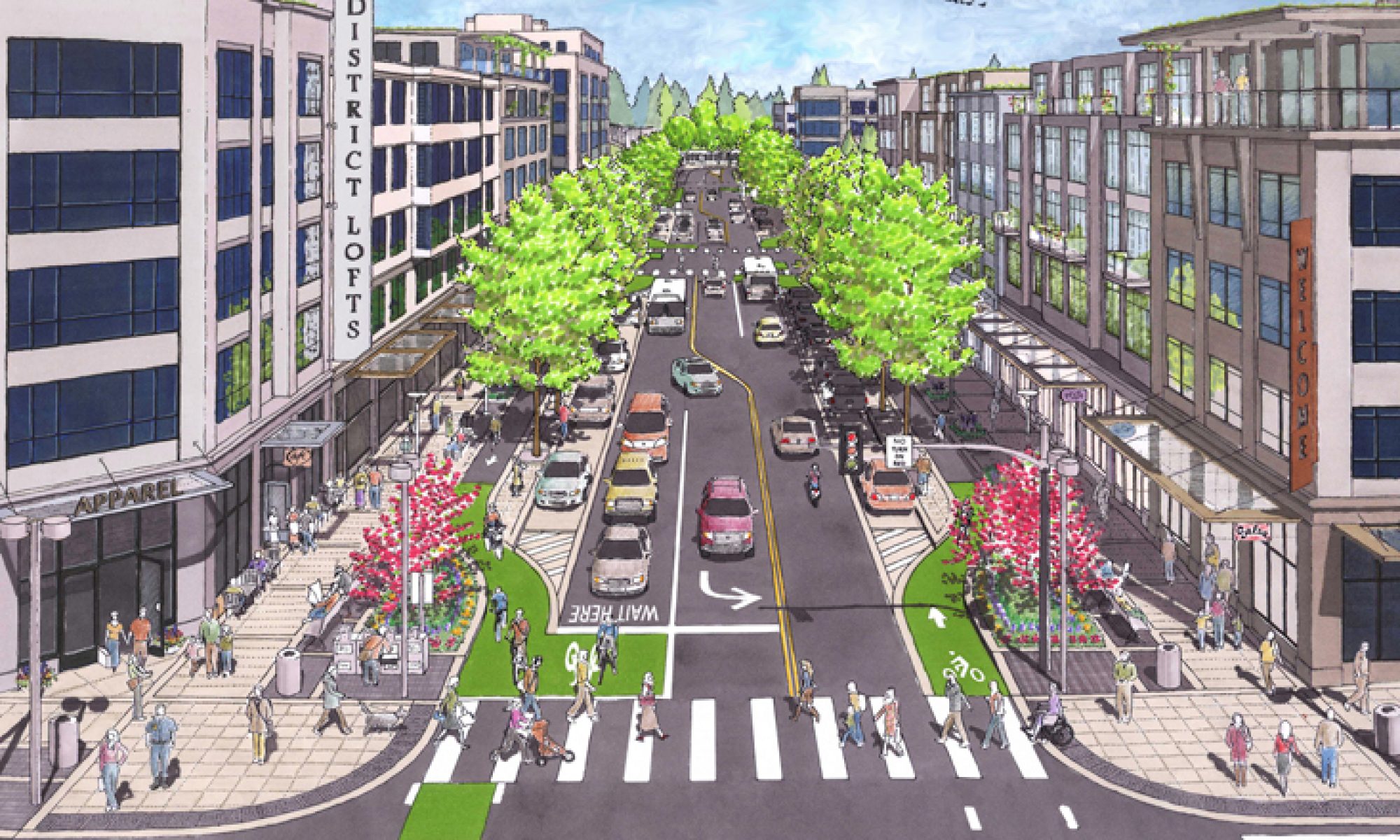
In theory, creating a safer street should be easy: Make life harder for cars and easier for people. That means lowering the speed limit, building speed bumps, traffic circles, and bulb-outs, which narrow roads and force drivers to be more cautious, and creating special, separated spaces in the street for drivers, cyclists, and walkers.
Firefighters, though—they just want to get where they’re going, fast. And in cities like Baltimore or New York, fire departments have pushed back against design tweaks that better protect bicyclists and walkers, arguing that the changes make it harder to maneuver their fire engines, and thus, protect residents. In Baltimore, the conflict even led to litigation.
In San Francisco, though: compromise.
The smaller, smarter Vision Zero truck will make it easier for firefighters to navigate roads clogged with bike lanes, double parkers, and Uber drop-offs
Read more…
https://www.wired.com/story/sanfrancisco-smaller-firetrucks/
Cities all over the world are using smaller emergency vehicles to get through city traffic. Smaller vehicles have medical supplies, oxygen, defibrillators, and EMTs can get to locations faster and tend to victims in situations that do not need full-sized fire trucks and ambulances.
Read more…
https://www.nytimes.com/2017/12/31/nyregion/fire-department-medical-emergencies-times-square-nyc.html

For years, many cities have pushed their residents to adopt car-free lifestyles. Doing so can help limit further traffic congestion and pollution, while also saving people money and improving their physical fitness.
By and large, though, the vast majority of Americans aren’t ready to ditch their vehicles. According to the latest Census Bureau estimates, only 8.7 percent of U.S. households reported not having any vehicles available last year. That’s actually down slightly from a year ago and is at about the same level as before the Great Recession.
A stronger economy explains, in part, the small decline in car-free households. Demographics, fuel prices and where people live — more Americans are migrating from cities to less dense suburbs — also play a role in whether a household goes car-free.
Read more…

If you’re a public space aficionado or transportation maven, one only needs to sign on to one of the various social media feeds to see the daily movement that is sweeping across the world: groups of people are literally taking back their streets by implementing low-cost, temporary solutions to what they see as simple ways of making their streets safer or more livable.
So sit back and watch as we visit just a small fraction of the community making this happen!
Watch and read more…

Bicycle advocacy has gained steam as data has become more readily available, McLeod says. According to an inventory of protected bike lanes collected by People for Bikes, the number of protected lanes in the U.S. has roughly doubled every two years since 2006. But some cities are still way out ahead.
“It’s still a type of facility that’s in a minority of communities,” McLeod says. “There’s a lot of work to do in the rest of the country.”
Advocates have criticized the city for leaning too heavily on approval from City Council members and near neighbors when making decisions about street upgrades. But OTIS officials say that getting community buy-in is essential to making street upgrades permanent. In his response to the Bicycle Coalition, Kenney said the group should redouble its efforts at civic engagement and building the case for better bike lanes.
“We want to really build the momentum and the sustained acceptance and approval for bike infrastructure, rather than rolling out a lot and having a lot of backlash,” says Kelley Yemen, the city’s director of complete streets.
Read more…
Holiday Greetings, and a little bit of nostalgia. Cheers and safe travels on foot, on bikes, in cars, or on mass transit!
December 1942 @NewYorker; in the midst of wartime mobilization, gas/tire/steel rationing and the concomitant”Victory Bike” program, Americans were observed to be Christmas tree shopping by bike. No cars on the cover!
https://twitter.com/BikeBattlesBook/status/944249570070065152
Merry Christmas and happy holidays!
We may not have gas rationing, but what a lovely way to buy a Christmas tree.
December 1942 @NewYorker; in the midst of mobilization, gas rationing and “Victory Bike” program. US tree shopping by bike.

The Tesla CEO’s recent comments about public transportation triggered a firestorm of criticism. Here’s why.
Like many tech entrepreneurs, Elon Musk is trying to reinvent public transit. But his comments at an event last month, as reported by Aarian Marshall in Wired, made many people wonder whether he understands the business he’s trying to disrupt:
“I think public transport is painful. It sucks. Why do you want to get on something with a lot of other people, that doesn’t leave where you want it to leave, doesn’t start where you want it to start, doesn’t end where you want it to end? And it doesn’t go all the time.”
“It’s a pain in the ass,” he continued. “That’s why everyone doesn’t like it. And there’s like a bunch of random strangers, one of who might be a serial killer, OK, great. And so that’s why people like individualized transport, that goes where you want, when you want.”
Read more…
During this holiday season thousands of North Americans will be unnecessarily killed or severely injured in crashes. We could do much better!
The United States has the highest traffic fatality rate among peer countries, nearly three times the European average and easily twice the averages of Australia and Canada.
Read more…