A COMPREHENSIVE PLAN FOR PEDESTRIAN AND BICYCLE INFRASTRUCTURE THAT SERVES ALL AGES AND ABILITIES
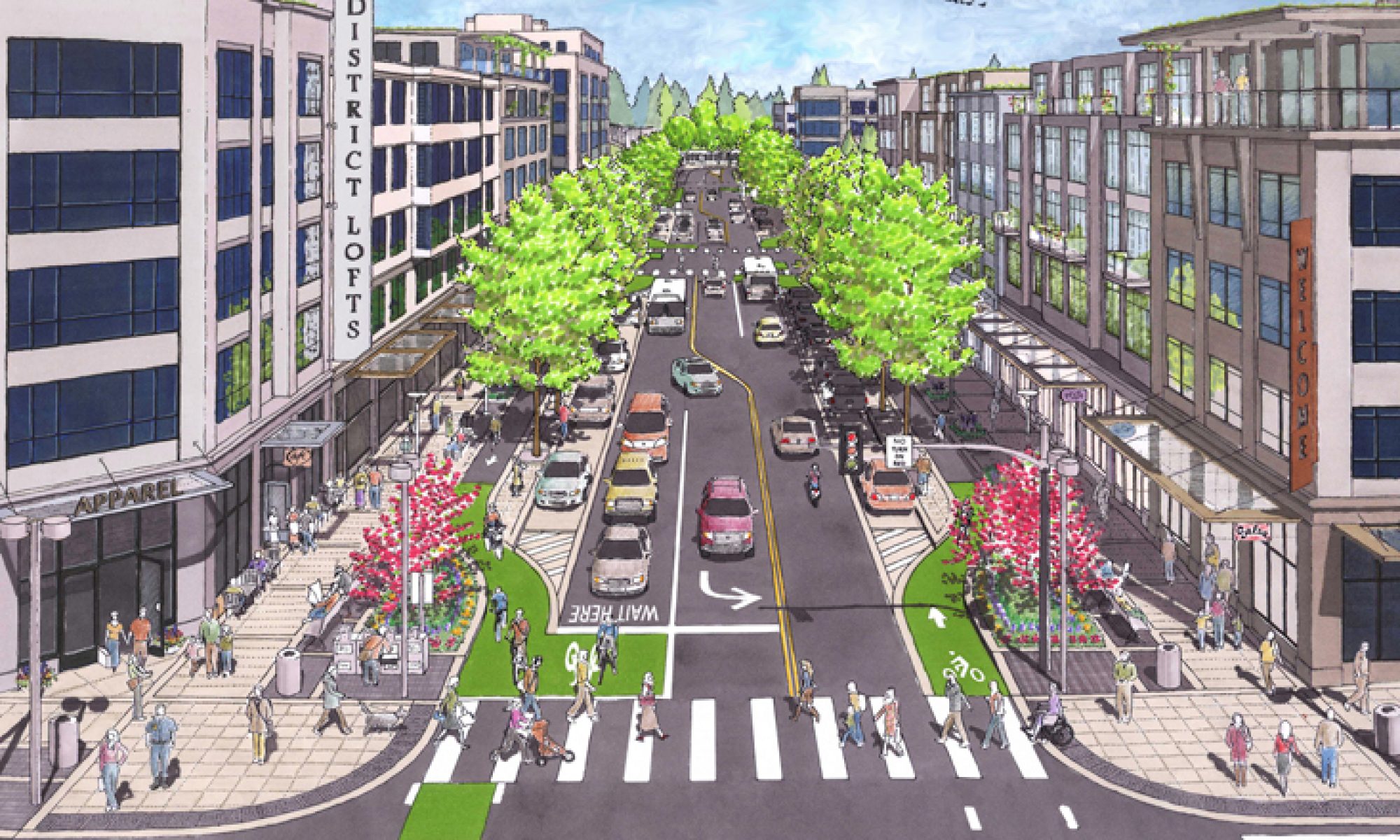
The City of Asbury Park was awarded a Local Technical Assistance grant from the NJ Department of Transportation to conduct a Bicycle and Pedestrian Master Plan for the City on April 18, 2017. NJDOT assigned consultant WSP to lead the development of the plan. Steering committee meetings, focus groups, public meetings and a public input “WikiMap” are the community outreach efforts for the project. The goal is to produce a comprehensive plan for pedestrian and bicycle infrastructure that is achievable and serves ALL residents of the Asbury Park community – all ages and abilities.
The City has opened the public comment period on the draft final Plan for Walking and Biking. Please provide feedback to the Plan through a survey link located here: https://asburyparknj.seamlessdocs.com/f/bikepedplan. The public comment period will end on January 11, 2019.
We may tend to feel like we own the roads when we’re driving cars. This is called windshield bias. When we’re walking or on bikes we feel vulnerable. This can be a huge deterrent to walking and biking, and it’s killing us. Asbury Park is working on making streets safe for people walking and on bicycles, and calming traffic with infrastructure to #slowthecars, and help make us healthier and build a healthier city.
The road to good health is paved with walking, biking, and transit
By Ethan Goffman –
Driving is often a miserable experience that leaves people isolated and physically deprived
Yet, on average, Americans commute 50 minutes daily and 90 percent of the time by car, says writer Kirsten Dirksen in the Huffington Post.
Much of this suffering is due to the ways we built up our places during a time in our history when bicycling and walking became afterthoughts.
We forgot that bicycling and walking are great for your health. Transit, in turn, encourages walking and biking. And properly designed neighborhoods encourage walking, biking, and transit.
The shape of cities and transit networks thus shapes our health. So say a plethora of studies and real-life examples from around the world, which collectively constitute overwhelming evidence for the public-health benefits of smart planning and transportation options.
Cruise around Asbury Park on Saturday, December 15th!
Meet up at Kula Cafe, 1201 Springwood Ave, at 1pm on Saturday, Dec 15. We’ll cruise around, stop at a couple of holiday markets if we feel like it…and maybe find some holiday cheer along the way! Hang around for a late lunch or snack at Kula afterward.
LOVE this blog post. It covers it all for people commuting by bike, thinking about commuting by bike, people who will never commute by bike (that means YOU drivers) – or for people riding bikes in general.
Choose a route that places minimal reliance upon the diligence or competency of drivers
My winning tweet was as follows: “Choose a route that places minimal reliance upon the diligence or competency of drivers” as per the title. That’s because most drivers are useless, malicous or tossers. I’m sure most of them are lovely people normally but for some reason, they get behind the wheel and turn into horrible people.
I didn’t want to post this. There is a ton of information out there on this subject, I’ll only add to the noise. But then, I saw the same old nonsense, over and over again.
I posted a tweet that got a lot of love. So I’ll pass on my 40+ years experience, take it if you like or do something different. There’s no science here, just my experience. These are in order.
Community Meeting Will Discuss Diversity on Boards, Environmental Justice and the Asbury Park Waterfront
The Asbury Park Women’s Collective will be hosting a community meeting entitled, Let’s Talk About Diversity on Asbury Park Boards and Commissions, Environmental Justice and the Asbury Park Waterfront, on Tuesday, December 11th at 7pm at Second Baptist Church of Asbury Park located at 124 Atkins Avenue.
If a city is designed from point of view of kids the city will function for everyone.
A city’s spaces designed WITH kids, rather than spaces designed by adults FOR kids:
Adults tend to think of kids as “future citizens” — their ideas and opinions will matter someday, just not today. But kids make up a quarter of the population, so shouldn’t they have a say in what the world they’ll inherit will look like? Urban planner Mara Mintzer shares what happened when she and her team asked kids to help design a park in Boulder, Colorado — and how it revealed an important blind spot in how we construct the built environment. “If we aren’t including children in our planning, who else aren’t we including?”
Mara Mintzer thrives on engaging children, youth and underrepresented communities in participatory planning, an approach that aims to integrate the views of all community members into designing exemplary communities.
When I read this story I pictured myself, or anyone riding a bike on what may be unprotected bike lanes on the newly reconfigured Main Street, Asbury Park.
“Save lives not parking” …there “is no excuse to maintain the status quo or adopt incremental change.”
Opinion
The day I was assaulted on my bike
By Colin Durrant
When Boston proposes protected lanes on only a small segment of Massachusetts Avenue, despite it being one of the most dangerous roads in the city, it is implicitly accepting more injuries and deaths.
Protected bike lanes are one of the easiest steps state & local transportation agencies can take to dramatically improve safety. They are also one of the most cost-effective infrastructure investments, delivering an immediate payback. When Calgary installed cycle tracks in its city center, it saw a 95 percent average increase in weekday bike trips in three months and a 7 percent increase in women riders. When Salt Lake City replaced parking with protected bike lanes, it saw an increase in retail sales. After the construction of a protected lane on Ninth Avenue in New York City, local businesses saw a 49 percent increase in retail sales.
Every foot of roadway where cycling takes place and remains unprotected is an added foot of danger and uncertainty. Every foot of roadway where meaningful cycling protection is added is a foot of roadway that unlocks opportunities for people of all ages to ride for fun, exercise, to get to work, go to a friend’s house, or run an errand.
The essential truth that my experience reveals, and that we far too often overlook amid calls for road users to “just get along” is this: The most significant impacts on the safety and lives of vulnerable road users are made by how we design our roads and how we drive our cars.
Equitable transportation is a social justice issue. The ability to get to work isn’t a given for many people who reside in this city. Many Asbury Park residents walk and ride bikes for their main mode of transportation throughout the city – and beyond. (5% of AP residents ride bikes as their main mode of transport compared with 2% nationally.)
The largest number of residents in AP is in the south west quadrant, according to data from the last census. Most do not own a car. Our focus must be on offering community support to those who walk or ride bikes, plus safe design and built infrastructure – to enable everyone to get to destinations… and back home again safely.
APCSC has had an ongoing bike light donation campaign for over a year. We recently met with APPD about enlisting their help to distribute and install lights for residents who need them. In this way police can be a part of the process to engage and assist. We need to combine resources with city agencies, and with Asbury Park Police Department to focus on equity and safety for the most vulnerable residents.
Many residents have seen and heard about #SLOWTHECARS. Speeding is a critical problem all over the city, even on streets with stop signs at every intersection- drivers speed to each stop. 4th and 3rd Ave are main entrances to the city, and drivers speed through these roads and into our neighborhoods. The great volume of vehicles are clocked regularly exceeding the speed limit. Residents have voiced their concern. Kids and families are at risk.
We believe that this city has the potential to be a national model of a welcoming, safe and inclusive city. We believe that our residents and our administrators and those working in city agencies are good, caring people. We believe that we can work together to make this happen. Onward.
When we heard recently about a young black man stopped by police while riding a bike on his way home to Asbury Park from work many miles away, this article resonated. We’re being confronted by the reality that in places like Asbury Park, employment may be out of reach unless you have the means to own a car. This young man being stopped while riding his bike and ultimately charged has brought us to a critical moment. We believed that Asbury Park was becoming a model as a community that works to bring people together and supports social justice. We have work to do.
Stories About Marathon Walking (*Or bicycling*) Commuters Receiving Benevolent Donations of Cars Are Actually Terrible
These stories aren’t heartwarming. They highlight systemic, persistent injustice that goes unaddressed.
By Angie Schmitt
The work ethic and determination of these men is stunning, but don’t paint their stories as triumphs of the American spirit. When we hear about desperate, exhausting commutes to jobs far away from home, we’re being confronted by the reality that in places like Birmingham and Detroit, employment is out of reach unless you have the means to own a car.
Dig into the story a little bit and there are other red flags. For example, Carr was picked up by police because he was walking (while black), and the officers took him out for breakfast when “his story checked out,” reports Carol Robinson at the Birmingham News. What appears as a friendly interaction in the article began as an instance of racial profiling, where Carr had to prove his worth as a human being.