If You Build It Traffic Will Come- PARKING STUDY

We advocate building spaces for people rather than for cars. Building housing for people rather than building parking spaces.

“…it begged the question that, perhaps, it’s time to re-examine parking requirement for new residential construction – that maybe blanket requirements are not the best options.

“We are certainly not advocating getting rid of parking everywhere,” said Hart. “We’re just trying to explain to these communities that parking requirements in these communities maybe shouldn’t be locked in to every development.”

Added Lee, “Three parking spaces could be a three-bedroom unit and that means more units in total, which is what everyone is scrambling to build as the housing demand increases in our areas…These are things people want and they are limited by potentially outdated zoning requirements based on data that isn’t reflecting the current trends.”

MAPC:If You Build It, Traffic Will Come:Parking Study Reveals That About 25 Percent of Spaces Go Unused in Residential Apartment Buildings

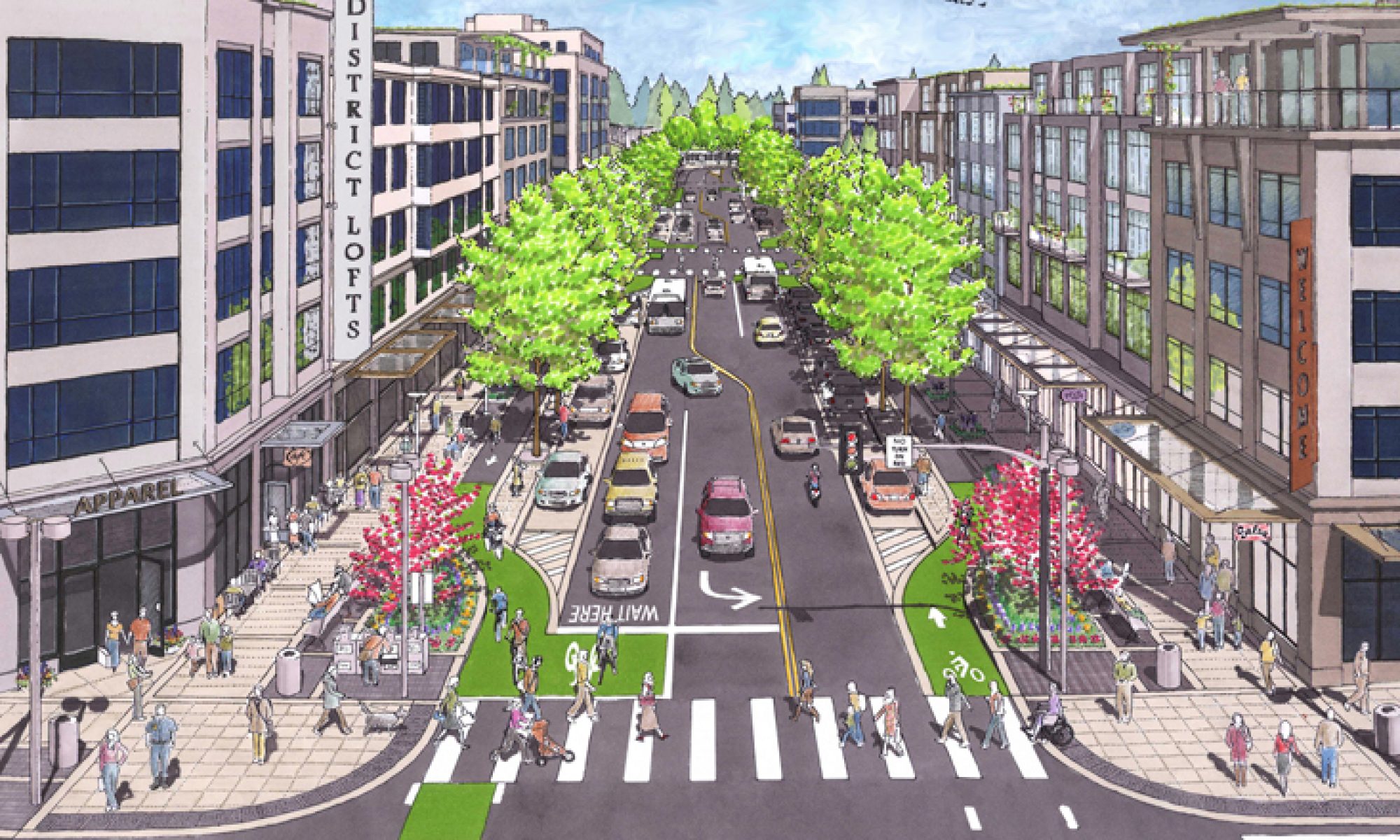
Asbury Park Complete Streets Coalition is not just about pavement. It’s about people.

Asbury Park Complete Streets Coalition is not just about pavement. It’s about people.

“The most important tenet is that the process must be open and welcoming to all who want to participate. This is not to say that everyone will get what they want out of Placemaking. The point is that there will be an opportunity for people not just to share what they want, but also to listen to their neighbors’ ideas, and to be part of the process of shaping the public spaces that they share with those neighbors. The end result should be a space that’s flexible enough to make room for many different communities, and encourage connections between them.”

Vibrancy does not need to be limited to a few 'unusual' areas; if you look for unusual ways to use them, all public spaces can be vibrant / Photo: PPS

https://www.pps.org/reference/placemaking-as-community-creativity-how-a-shared-focus-on-place-builds-vibrant-destinations/

Place Making

Place Making

“Placemaking is not just a design endeavor. Or a business proposition. Or a public health pursuit. Or an equity concern. Or an avenue for culture and the arts. It’s all of these things, and more. It’s the basis for how we, as human beings, organize ourselves. It’s how we physically embody our values in the built environment. It’s how we make opportunity available to all. It’s how we build resilient local economies and legitimize the prospects for people of all stripes to build wealth over their lifetimes.

But in the context of our present regulatory and financial environments, that doesn’t necessarily happen naturally, requiring the need for municipal intervention to ease the pains of change. Two things in particular: enabling meaningful placemaking so that good places can be built faster to meet demand; and, as that process unfolds, protecting — via tax policy, affordable housing initiatives, and similar endeavors — the most vulnerable who are frequently the casualties of rapid change.”

Placemaking: Geek niche or the root of pretty much everything?

Governing- How a Brooklyn Brewmaster Helped Make New York City Safer for Pedestrians

It’s about public health and traffic safety. The key is having the decisionmakers at the table,analyzing the data together.

“Hindy noticed how streets in Stockholm and Copenhagen were engineered to give cyclists and pedestrians as much a priority on the streets as cars. That seemed to foster respect among drivers for the other roadway users, too.”

“You don’t have to be a transportation enthusiast to see you’re in a different place with different priorities than most cities in America,” says Hindy.


http://www.governing.com/topics/urban/gov-vision-zero-pedestrian-deaths-brooklyn-brewery.html