Slower Speed Limits Will Help Stop Corona Virus

With a concern for overcrowding in hospitals, Italy and Spain have, as of March 16th, banned cycling in the midst of the Covid-19 pandemic. Health authorities there are urging cyclists not to ride because of the risk of being injured on the road and putting additional stress on an already over-burdened healthcare system.  This is a backward approach.  The real danger is speeding motor vehicles. Cars, particularly speeding cars killed over 40,000 people in the US last year. Each year, 1.35 million people are killed on roadways around the world.  Driving a motorized vehicle is far more dangerous than riding a bike, so let’s #slowthecars so we can ride safely, now – and always.

Let’s encourage people to ride bikes as the healthiest way to get around.  We need to limit speeds for motorists to make roads safe for people riding bikes and walking. #20isplenty

Lowering Speed Limits Will Help Stop COVID-19

The last thing our hospitals need right now is more car crash injuries.

https://usa.streetsblog.org/2020/03/16/lowering-speed-limits-will-help-stop-covid-19/

Encourage Bike Riding During The Covid-19 Crisis

Thankfully Asbury Park residents don’t need to use public transport to get around. Because it’s only 1.4 miles sq, we can bike, scooter or walk almost anywhere. Surprisingly, Italy and Spain have banned cycling during the coronavirus crisis, even though they have well-developed bike infrastructure. It’s counter-intuitive to ban bikes – drivers of motor vehicles are responsible for 1.3 million deaths a year. During the viral pandemic there are fewer drivers, but riding a bike is safer than driving a motorized vehicle. So especially now, it should be made easier to ride bikes. “The Colombian capital, Bogotá, has begun to do this.”  Besides avoiding crowded mass transit, the benefits of outdoor exercise to physical and mental health are well-documented.
The logic for these bicycling bans is to avoid the strain on health services in case a cyclist is injured and needs to be hospitalized, but this “approaches the issue from the wrong way”. Cycling is inherently safe, and the “the danger is almost all external” – from drivers of motor vehicles. If the intention really is to prevent bicyclist injuries and fatalities, then the best way would be to reduce speed limits.

So let’s encourage bicycling, especially now.

Why not encourage cycling during the coronavirus lockdown?

Bikes allows people to maintain isolation but provide important respite from being indoors

Cycling for everyday transport has not so far been restricted outside places which have imposed hugely draconian containment measures, like China. While Italy and Spain have placed temporary bans on leisure cycling, riding a bike for permitted everyday travel is officially allowed, albeit with reports of some over-zealous police enforcement.

On Thursday, the chief executive of British Cycling, Julie Harrington, wrote to the health secretary, Matt Hancock, urging ministers to add cycling to their list of recommended activities during the outbreak.

Earlier this week, a group of nearly 50 academics and experts on public health and transport wrote an open letter to the government, urging ministers to not discourage walking and cycling amid the pandemic, noting their vital importance in the wider public health issue of combating inactivity.

Read about it~

Let’s encourage bicycling now.

Less Driving During the Pandemic Has Had A Dramatic Effect On Air Pollution

After the Covid-19 pandemic is over will Americans will acknowledge that fewer motorized vehicles on the road had a great effect on the environment and human health?  Will we change behaviors and opt to drive smaller vehicles, and drive less?  It remains to be seen, but “… these preliminary numbers demonstrate that this global health disaster is an opportunity to assess – which aspects of modern life are absolutely necessary, and what positive changes might be possible if we change our habits on a global scale.”

Using the Tropomi instrument on the Copernicus Sentinel-5P satellite, images taken from 1 January to 11 March 2020 showed nitrogen dioxide dropping dramatically. See the amazing video.

New Evidence Shows How COVID-19 Has Affected Global Air Pollution

JACINTA BOWLER 17 MARCH 2020

The COVID-19 pandemic is getting more overwhelming by the day, with increasing lockdowns, a death toll of more than 7,000 people across the world, and a direct hit to the global economy.

But if there’s a sliver of good news, it’s about how the spread of the new coronavirus has been decreasing air pollution, and possibly even saving lives in the process.

Back on March 8, Stanford University environmental resource economist Marshall Burke did some back-of-the-envelope calculations about the recent air pollution drop over parts of China and potential lives saved, posting it on a global food, environment and economic dynamics blog, G-FEED.

The situation has continued to unfold since then, so those numbers won’t stay current for long; but according to Burke, even conservatively, it’s very likely that the lives saved locally from the reduction in pollution exceed COVID-19 deaths in China.

“Given the huge amount of evidence that breathing dirty air contributes heavily to premature mortality, a natural – if admittedly strange – question is whether the lives saved from this reduction in pollution caused by economic disruption from COVID-19 exceeds the death toll from the virus itself,” Burke writes.

“Even under very conservative assumptions, I think the answer is a clear ‘yes’.”

Read about it:

https://www.sciencealert.com/here-s-what-covid-19-is-doing-to-our-pollution-levels

Open Streets RIGHT NOW

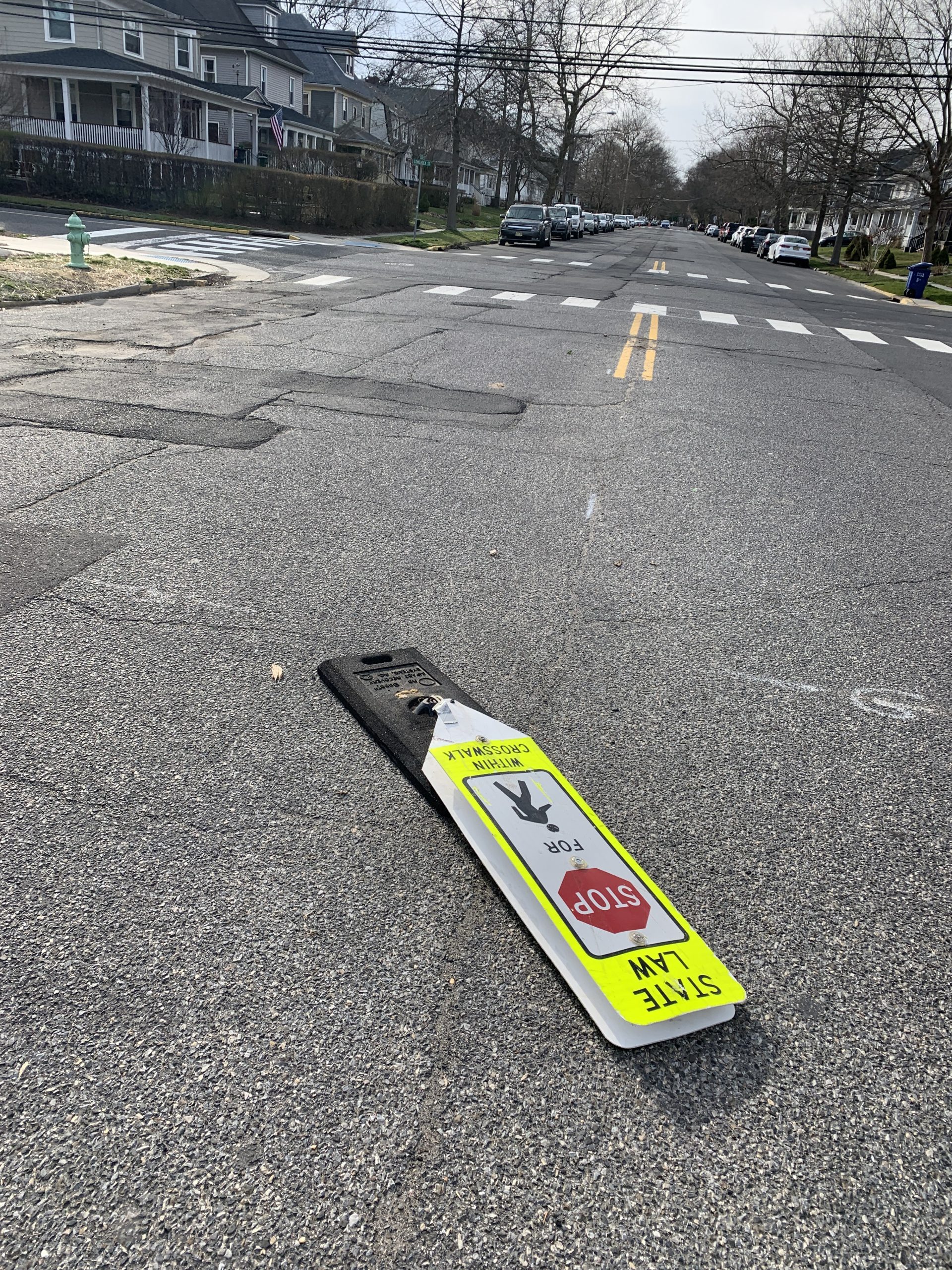
We’ve been urging people to get out of their cars for years. Right now when our physical, emotional, and mental health are at risk it would be a great time to consider opening streets to walkers, bicycle riders, and any other modes of transportation that would enable people to get around and get fresh air and exercise.  We can walk, jog, roll around our towns with 6′ between us, smile and wave, and remain a community.  We can prioritize people over cars right now.  **This photo is of a dead bollard at the corner in front of my house. It’s an intersection that kids use every everyday for school, and now for breakfast and lunch. Someone ran over it, then later another driver ran over it again and dragged it down the block. Let’s make streets for people NOW.

Guest opinion: We should open up neighborhood streets for social distancing

Posted by Jonathan Maus (Publisher/Editor) on March 16th, 2020

**This article is by Sam Balto, a Weston Award Winner and Physical Education teacher at Cesar Chavez Elementary School in north Portland. We last heard from him when he launched a guerrilla safety campaign using red cups to protect bike lanes.**

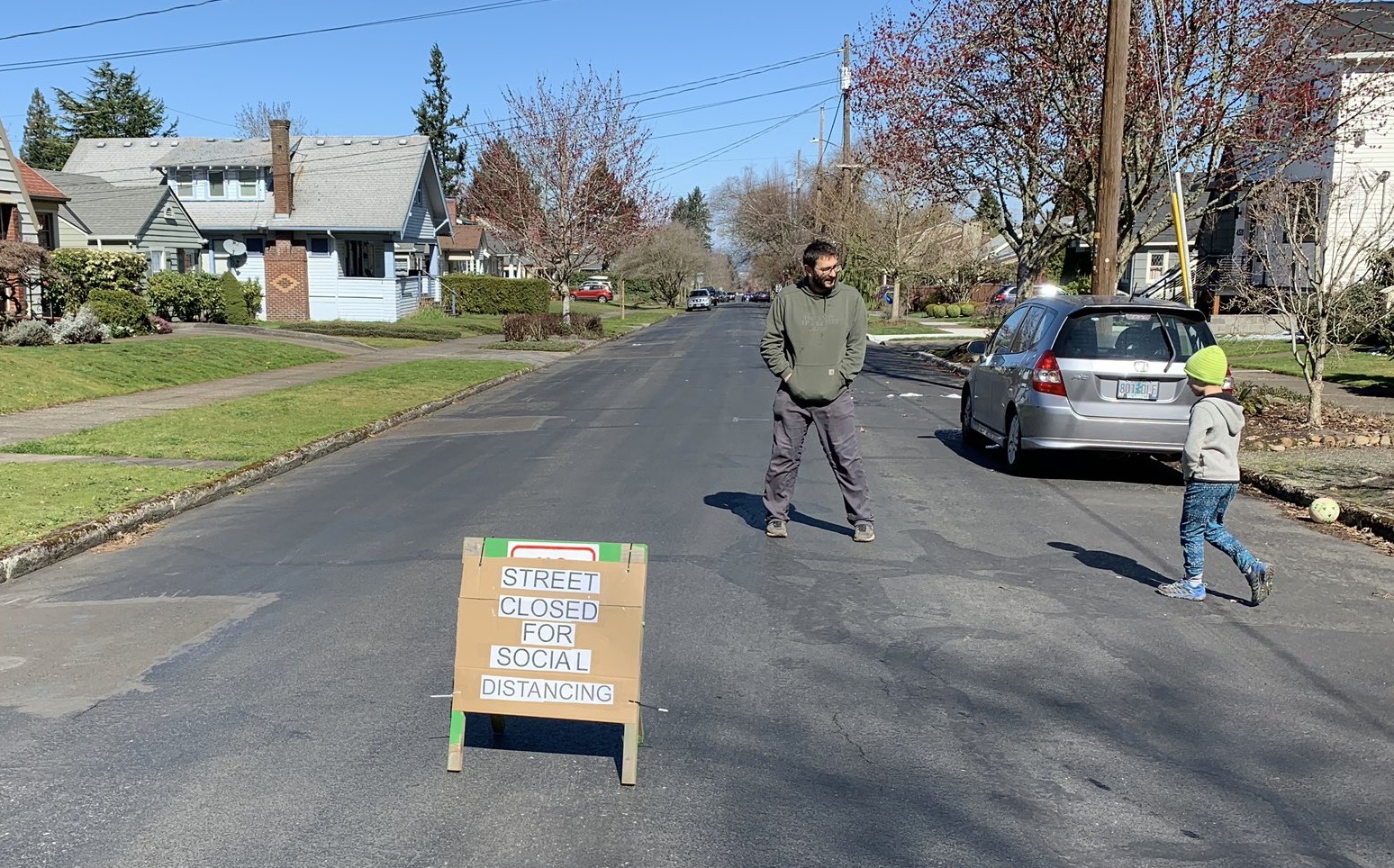
During our time of social isolation, our community still needs physical activity and fresh air. Our network of neighborhood greenways should be carfree while we are in a State of Emergency. This would allow for ample open space for people not using cars. People could enjoy safe social distancing without the threat of being run over by drivers.

Read about it:

Guest opinion: We should open up neighborhood streets for social distancing

Green Transportation Not Just For St. Patrick’s Day

You’ve read it here again and again: almost 40,000 Americans died in automobile-related crashes last year.  Injuries from crashes are a national health crisis, as well as illnesses related to pollution and obesity.  We’re spending more time than ever in our cars because our roads have been designed to prioritize driving above any other mode of transportation. Many are carrying unsustainable debt for their vehicles, not to mention the cost of insurance, fuel, and car storage (aka parking). It doesn’t have to be this way.

THE GREEN NEW DEAL FOR TRANSPORTATION IS HERE.

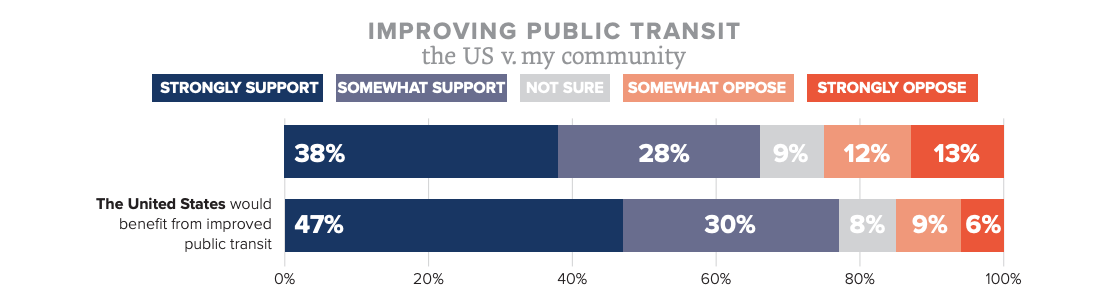
And polling shows that Americans want it, too

A GREEN NEW DEAL FOR TRANSPORTATION

Polling shows that Americans want more options than just driving. The Green New Deal for Transportation can get us there.

In February 2019, Representative Alexandria Ocasio-Cortez (NY-14) and Senator Ed Markey introduced the Green New Deal to Congress, momentous legislation that, if passed, would set goals for future climate lawmaking. But the bill had one glaring omission: it was “devoid of the bold reimagining of federal transportation spending which encourages more roads, more driving, more sprawl, and more emissions,” as T4America director Beth Osborne wrote at the time.  

Download the report here:

A GREEN NEW DEAL FOR CITY AND SUBURBAN TRANSPORTATION

A preview of the report:

The overwhelming majority of federal transportation spending is allocated for roads, leaving limited funds available for more sustainable modes like transit, walking, and biking. As a result, fewer than 10% of Americans currently live within walking distance of frequent transit. The collective “sidewalk gap” in U.S. cities easily adds up to tens of billions of dollars, and the Americans with Disabilities Act mandate to make streets accessible remains unfunded, leaving too many people isolated in their homes. Our roadways are designed to move vehicles at the highest speeds possible, with devastating consequences. More than 35,000 Americans die in automobile-related accidents every year, and pedestrian fatalities have increased by 35 percent
in the past decade. Americans are spending longer than ever in their cars – and taking on unsustainable levels of debt to pay for those cars. These realities are treated as a necessary part of the American transportation system, but it doesn’t have to be this way.


A Strong Town Right Now

APCSC is a member and supporter of Strong Towns.

Strong Towns is an international movement that’s dedicated to making communities across the United States and Canada financially strong and resilient.

Throughout the past 5 years we’ve utilized tools and resources from Strong Towns. We’ve learned and shared ways to build a better, more equitable city for everyone. Now we’re facing the real, imminent challenges that face cities everywhere – it’s all about how to take care of one another.  Let’s be the best we can be right now “to make our systems more bottom-up and responsive. To make them more humane.”

We’re about to witness the best humans have to offer.


by Charles Marohn

“What you imagine as overwhelming or terrifying while at leisure becomes something you can cope with when you must-there is no time for fear.”

— Rebecca Solnit, A Paradise Built in Hell: The Extraordinary Communities That Arise in Disaster

“I think we are about to witness the best humans have to offer each other.

That’s what Solnit documents in her book. During times of stability, society seems to accept the grinding decline of these failed systems. Yet, during times of distress, leaders – especially at the most adaptable local level – step forward and fill the gaps left by incompetence and inflexibility. We need to support these people because, despite the scariness of the unknown, this is an opportunity to reshape the direction of our entire country. To make our systems more bottom-up and responsive. To make them more humane.

Read more:

https://www.strongtowns.org/journal/2020/3/15/were-about-to-witness-the-best-humans-have-to-offer?utm_campaign=031620+Monday+Jab+-+General+List&utm_medium=email&utm_source=autopilot

Getting Around During The COVID19 Outbreak

The outbreak of COVID-19, is one more strike against mass transit with public health agencies urging people to avoid public gatherings, and “social distancing. “It’s still early to know exactly how this will unfold, but without proper mitigation efforts from local governments, we could be feeling the effects of coronavirus on public transportation service for years to come.”

Mass transit has pretty much always had a bad reputation in popular culture – bus and subway riders in film are often depicted as poor and derelict at worst, and just short of miserable at best.

Ride share like Uber and  Lyft has chipped away at transit ridership, flooding streets with more cars, and undermining struggling transit systems. “The legacy of these companies amounts to a warning to the public and policymakers: If you do not provide people with good transportation options, they will take bad ones.”

One way for people to avoid exposure during the outbreak of COVID-19 is to ride bikes, but in some cities like NYC, with “cyclists are reporting huge increases in biking this week” the conditions for bicyclists are not optimal, and the administration isn’t currently planning to focus on better bike infrastructure, as seen in this film: Streetfilms: Biking is the Way to Beat Coronavirus.

As spring approaches in Asbury Park we can get around within this 1.4 mile sq. city on foot, on bikes, and we can utilize other micro-mobility options as they become available.  Supporters of Asbury Park Complete Streets Coalition can continue to lobby for more and better infrastructure for walking and biking in the city, now and onward.

Tech by VICE

Coronavirus May Have a Lasting Impact on Public Transit Funding

Ridership is likely going to plummet, which will make it harder on local transit agencies

By Aaron Gordon Mar 10 2020
Coronavirus is beginning to upend American life. The stock market is crashing, universities are cancelling classes or moving them onlineconferences are being canceled, and airlines are struggling. Unsurprisingly, public transportation is also going to be greatly impacted. It’s still early to know exactly how this will unfold, but without proper mitigation efforts from local governments, we could be feeling the effects of coronavirus on public transportation service for years to come.

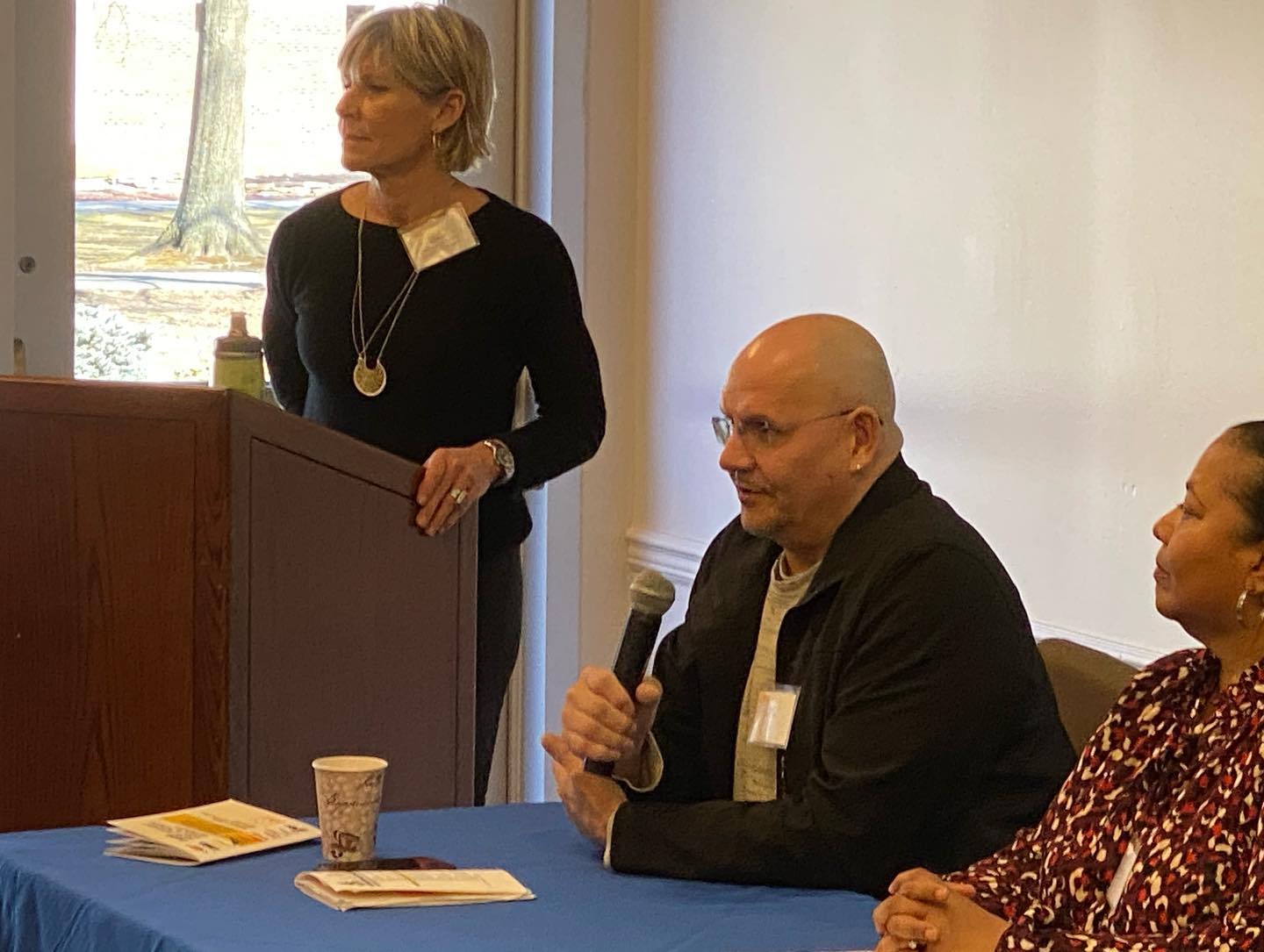
Video Advocacy In Action Panel: Initiative to Acceptance to Implementation (Clip 1)

APCSC Panel Advocacy In Action: Initiative to Acceptance to Implementation

(Clip 1)

NJBWC Summit March 7th, 2020

For those who would like to learn more about bike and walk advocacy~
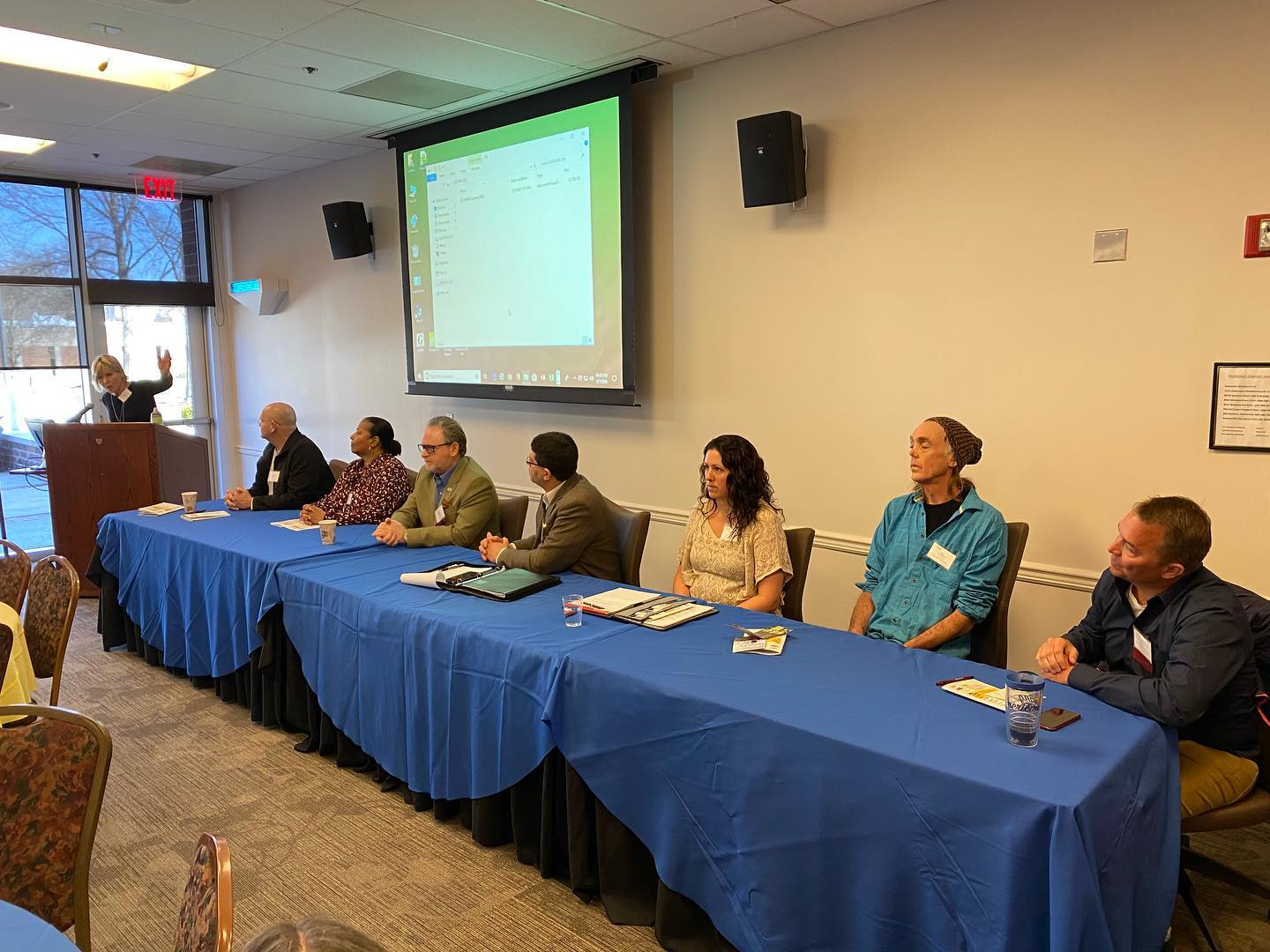
Here is the first part of the APCSC NJBWC Panel: Advocacy In Action: Initiative to Acceptance to Implementation
A great panel comprised of advocates from 5 Jersey Shore towns. Stay tuned for more…

Polli 2020 NJBWC Panel script

NJBWC Polli Panel 2020 Advocacy In Action Summit Panelist Bios 2 pages

Study: Snazzy Car Drivers Less Likely To Yield For People Walking

CNN: If you drive an expensive car are you probably a jerk?

This article fairly states that not all people who drive expensive cars are terrible,  but …”the best predictor of whether a car would stop was its cost, researchers discovered. “Disengagement and a lower ability to interpret thoughts and feelings of others along with feelings of entitlement and narcissism may lead to a lack of empathy for pedestrians” among costly car owners, they theorized in the study.”
People who walk may not be able to afford a car, or may choose not to own one.  Either way, people walking appear to be “less than”.  People walking are labeled with the slightly less-than-human term, “pedestrian”, and have been literally pushed to the narrowest edges of the roadway since the early decades of the 20th century.  People who walk must wait for light signals to cross the street waiting in precipitation, cold, or heat, allowing drivers priority, and don’t get me started on those”beg buttons” that only sometimes actually do anything.  Road engineering focuses on Level of Service (LOS) for automobiles, and people walking have become marginalized.
It will take a real effort to change “windshield bias”, which refers to a decision-making prejudice in favor of, or deference to, a car driver’s perspective above all others. Drivers have been brainwashed since the early 20th century when automobiles began rolling off assembly lines, and the intention of the industry was to enable almost everyone to own a car – or to aspire to own one.   When cars became available in colors other than black, the auto industry began to sell status. It wasn’t long until cars were designed to have personality. The drivers of certain vehicles began to identify with the cars they drove, and advertising continues to exploit that dynamic to great profit. Cars are even designed with the appearance of a face in front, which can convey power, anger, etc. Drivers themselves are ascribed more status if they drive a more powerful looking, expensive, or bigger vehicle.  Manufacturers are making more bigger, taller SUVs and trucks, imbuing a sense of power in the driver.

“…everything about our car-focused world tells drivers that they’re the rulers of the road. Expensive cars only amplify that sense of entitlement to public space and aggression towards pedestrians who violate it.”

Study: Car Sticker Price is a Predictor of Driver Aggression Towards Walkers

The more expensive the car, the less likely the driver is to yield to a pedestrian in a crosswalk. But why?

“…the more expensive the cars got, the more often the driver failed to hit the brakes. For every extra $1,000 on the sticker, the driver was three percent less likely to let pedestrians pass safely.

That observation held true whether the pedestrian was white or black, female or male. Drivers were even less likely to yield for African-American participants — they only did so a shockingly low 25 percent of the time, compared to the 31 percent of drivers who braked for white participants. And they were least likely to yield for African-American men, confirming the findings of previous studies. 

The media promptly exploded with news of the study, and safe streets proponents across the country echoed the researchers’ speculation that the spendy-cars-drivers failed to yield because they “felt a sense of superiority over other road users.” But why, exactly, did BMW drivers feel superior to those poor schmucks out walking in 100 degree Vegas heat? Twitter users had one idea: because they’re all rich psychopaths who don’t care about poor people, and pedestrians are usually at least perceived to be poor.”

Read more…

https://usa.streetsblog.org/2020/02/28/study-car-price-is-a-predictor-of-driver-aggression-towards-walkers/

Mayors: Cities Unsafe for Pedestrians, Cyclists, But Cars Rule

There is plenty of evidence showing that lowering speed limits and reducing the availability of parking makes roads safer for pedestrians, cyclists, and drivers, according to this survey. Research suggests that even high-density cities have too much parking that’s priced too cheaply.  We believe that residents and visitors are wiling to support Asbury Park becoming a truly people-oriented city, by implementing plans to prioritize people over cars: Asbury Park Plan for Walking and Biking.

It’s not an easy process even in a small city, with overarching state regulations and outmoded engineering practices.  City leaders and our Transportation Manager, with the support of Asbury Park Complete Streets Coalition are taking steps to enable visitors and residents to get around safely without cars by reducing speed limits, creating traffic calming devices, better infrastructure for biking and walking, and offering alternative transportation.

Boston University’s Initiative on Cities (IoC) was released on Tuesday, January 21, in Washington, D.C.  The annual report collects data from interviews with more than 100 mayors across the country about their most pressing concerns and provides insight into the problems they’re grappling with.

Now in its sixth year, the 2019 IoC survey asked mayors for the first time about the extent to which they are taking up the call, from cyclist and pedestrian advocates as well as many transportation experts and urban planners, to reorient their cities away from cars.

Mayors Say Their Cities Are Unsafe for Pedestrians, Cyclists—but Cars Still Rule

Highlights from annual BU-led 2019 Menino Survey of Mayors

January 21, 2020 Sara Rimer

“When city leaders make it easier to park, they encourage car commuting,” the survey authors write, citing The High Cost of Free Parking (Routledge, 2005) by Donald Shoup, a UCLA professor. “This both worsens congestion and creates a constituency of regular drivers who demand more parking, resulting in a potent political obstacle to reforming urban parking systems.”

Although mayors broadly support bicycle lanes, they may not be aware of current best practices in cycling infrastructure design, according to the survey. While the most recent analyses show that painted bike lanes may make conditions more dangerous for cyclists, a striking 82 percent of mayors believe that painted bicycle lanes are a safe alternative when physically separate bicycle lanes are too expensive.

“The evidence suggests that paint alone—either in separate or shared bicycle lanes—does not improve cyclist safety,” the survey says.

A few mayors acknowledged the problem. “Painted bicycle lanes are useless,” one mayor told interviewers. “They’ve got to be separate.”

Read this comprehensive story:

https://www.bu.edu/articles/2020/mayors-say-their-cities-are-unsafe-for-pedestrians-cyclists-but-cars-still-rule/