A 20 MPH STREET

 
BY STRONG TOWNS

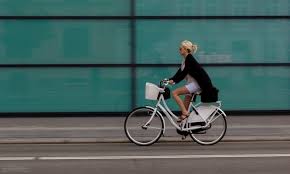
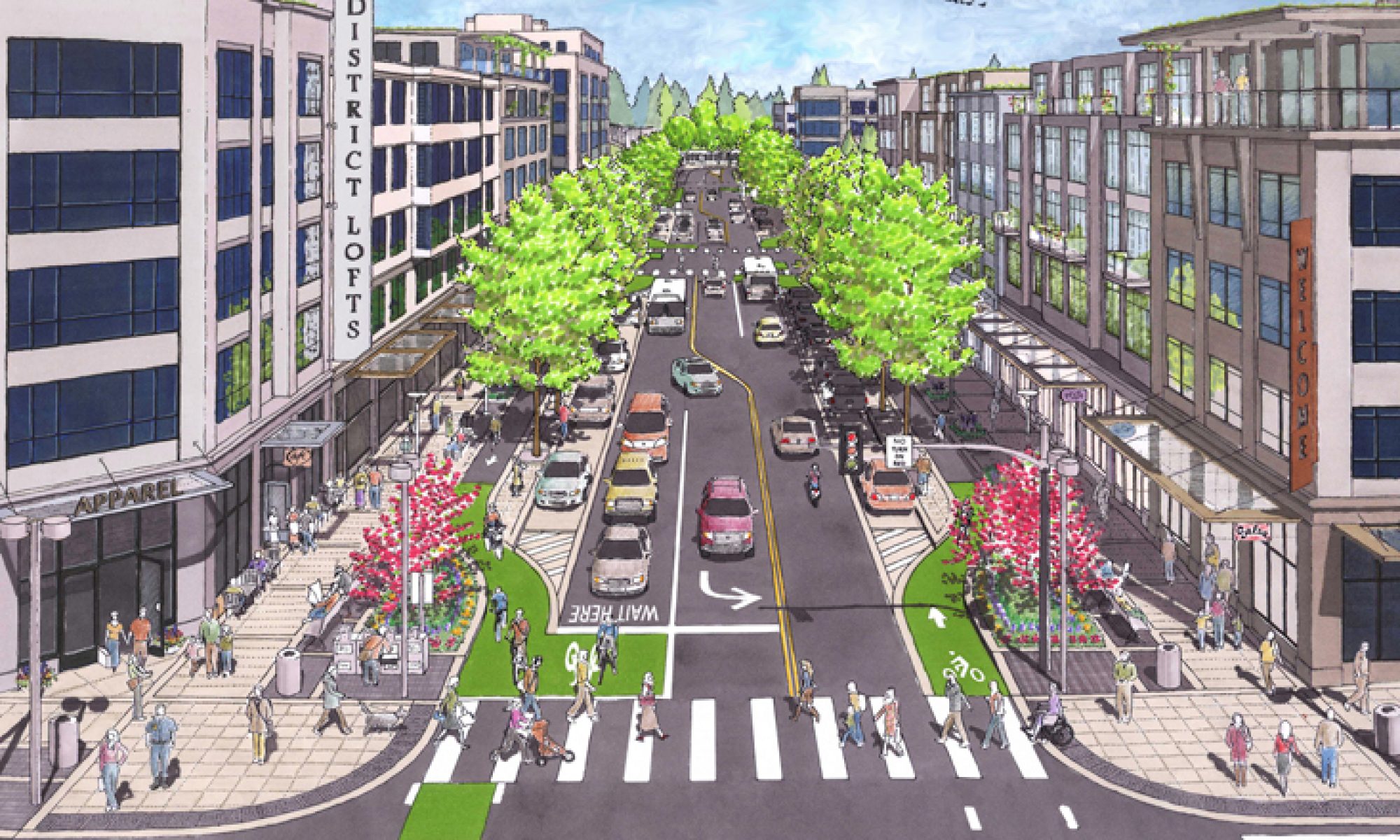
Sometimes a meme is so good, you just have to share it. This one reveals in two simple photos the difference between a street designated 20 mph and one designed to be safe.

We can’t regulate our way to safety. We must design our streets to be safe.

Meme Created By Wes Craiglow, Deputy Director Planning & Development, City of Conway, AR. Loved by Transportation Psychologist!

As Wes points out below, “The meme is intended to help viewers consider how different street designs makes you feel as a driver, and ultimately affect how you behave behind the wheel.

Generally speaking, as depicted by the lower photo, narrower travel lanes, shorter block lengths, and a tree canopy, all contribute to drivers traveling more slowly.  See more,,,

https://www.strongtowns.org/journal/2015/11/1/a-20-mph-street

3 Steps To Make A City For People Of All Ages

WANT A CITY THAT WORKS FOR PEOPLE OF ALL AGES? TAKE THESE 3 STEPS.

  BY RACHEL QUEDNAU

Growing older shouldn’t have to mean relocating from the community and neighborhood you love, but in so many American cities which are oriented around cars instead of people, seniors end up relegated to suburban apartment complexes or become increasingly isolated in homes they can’t manage. Simple adjustments to the way we structure our cities and neighborhoods could change that scenario and in turn, make life a whole lot happier, healthier and easier for everyone.

Here are three steps that would make our cities work for people of all ages:

Read more…

https://www.strongtowns.org/journal/2018/6/20/all-ages-seniors-cities-design-housing

Bikes Can Save Cities

Asbury Park is on its way to designing a city for bicycles which will make the city more equitable, healthy and clean.

How The Humble Bicycle Can Save Our Cities

Eillie Anzilotti  Fast Company May 13 2018

Here’s a blueprint for how cities can welcome the bicycle – and all the positive outcomes that a bike-centric city brings.

Designing a city for bicycles is not just a pleasant idea for the cyclists among us. Designing a city for bikes will also achieve the goals we want for our future urban centers, making them more equitable, healthy, efficient and clean.

Read more…

https://longitudes.ups.com/how-the-humble-bicycle-can-save-our-cities/?utm_source=Sailthru&utm_medium=email&utm_campaign=Newsletter%20Weekly%20Roundup:%20Smart%20Cities%20Dive%2005-19-2018&utm_term=Smart%20Cities%20Dive%20Weekender

A Parking Problem? Maybe It’s A Walking Problem.

We’re continually amazed (and comforted) that other cities all over the US are experiencing similar issues. Parking is a common problem. Should shopping and dining patrons be entitled to park in front of businesses?  Is free parking really free? Read on…

Sherman Smith June 18 2018

Think Topeka has a parking problem? Take a hike

As more people look to downtown for entertainment, shopping and restaurants, the city plans to modernize meters, make it easier to locate open spaces and incentivize contiguous parking spots.

Even on days when S. Kansas Avenue is crowded, 60 to 70 percent of spaces on side streets may be open. The city maintains 6,000 spaces among streets, lots and garages downtown.

“I think what that turns out to be is there is a walking problem instead of a parking problem,” said public works director Jason Peek.

Read more…

http://www.cjonline.com/news/20180617/think-topeka-has-parking-problem-take-hike

Traffic Signals Are Not Safe For Pedestrians

Making Traffic Signals Fair for Pedestrians

Traffic signals that maximize crossing time for pedestrians remain the exception, not the rule, in American cities. Photo: District DOT

If you walk in American cities, you know the streets weren’t engineered for you. The obvious signs are the broken, obstructed, or just plain non-existent sidewalks. But there’s also a less visible bias against walking programmed into our traffic signals.

Read more…

https://usa.streetsblog.org/2018/06/19/making-traffic-signals-fair-for-pedestrians/

Fun and Inspiring Beautiful Photos of Bicycling

Fun And Inspiring

http://rollingspoke.com/blog/

Rolling Spoke Photoblog.

We can do this too!

Cycling with an umbrella serves to underline how a simple routine translates so effortlessly to riding in the bike lane. Amsterdammers once again show how an unadulterated lifestyle of riding bikes can be so captivating yet civilized—walking with wheels.
The Rolling Spoke is a bicycle photoblog by an urban dweller living in Amsterdam. The aim is to put a creative spin of life on two wheels.
@rollingspoke
Modacity
@modacitylife
See more images…

http://rollingspoke.com/riding-under-cover-rain/

Roads Need To Be Designed For All Users; Plus Helmet Video

Roads need to be designed for all users: all genders, and all ages.  Many women have well-founded fear of riding on American streets and it’s the same in the UK.  Also, see a video with more discussion about helmets.

Helen Pidd June 13 2018

Women shun cycling because of safety, not helmet hair

Roads designed by men are killing women – and stop millions from cycling

The main reason most women don’t cycle in the UK is because they think it is dangerous.

Read more and see video:

https://www.theguardian.com/commentisfree/2018/jun/13/safety-women-cycling-roads?CMP=share_btn_fb

Happy Father’s Day! Walk Or Ride A Bike With Dad Today

The best ways to spend Father’s Day, whether you’re the dad looking for some bonding time, or if you re the offspring thinking about doing something meaningful with your dad… You guessed it!  Take a walk or  bike ride in a Monmouth County park!  Read on for inspiration from the UK, and see below for bike and walking trails in Monmouth County.

How should I spend Father’s Day? 6 great ideas for family bonding time

THERE’S nothing more important than spending time together as a family and Father’s Day is a great time to take dad out for fun.

Monmouth County Walking Trails

Monmouth County Bike Trails

Read more…

https://www.express.co.uk/featured/life-style/life/973223/How-should-I-spend-Father-s-Day-6-great-ideas-for-family-bonding-time

How to Slow The Cars

Let’s keep the discussion going about slowing the cars.

New York City only used speed bumps to slow the cars on narrow city streets, and injuries to people walking or biking actually increased 6 percent.  London added raised crosswalks, raised intersections, curb extensions, pedestrian refuges, traffic diverters, mini-roundabouts, and other traffic-calming measures.

London’s Slow Zones Save Lives and New York’s Don’t. Here’s Why.

In New York’s slow zones, speed humps are the only physical traffic calming measure. London uses a greater variety of traffic calming measures, installed more intensively.

Read more…

https://nyc.streetsblog.org/2018/06/13/londons-slow-zones-save-lives-and-new-yorks-dont-heres-why/

Traffic Signals Prioritize Cars

We’ve been publishing articles about traffic signaling (Like LBIs and LPIs) which has hopefully been enlightening for readers .  This article explains signaling further, and with Barcelona as an example the subject is interesting, and even beautiful. Cities say that they want to prioritize walkers and bicyclists, but traffic engineers are still designing for cars…will Asbury Park develop as a city designed for all users and not just cars?  We think so!

How traffic signals favour cars and discourage walking

David Levinson

The settings on traffic lights make pedestrians wait longer by giving higher priority to vehicle traffic.”Traffic signals give priority to motor vehicles over pedestrians. This inequality undermines many of the stated goals of transport, health and environment policy.State and city governments say they want to encourage walking and biking for many reasons:

  • it is space efficient
  • it has less environmental impact
  • it is healthier
  • it is safer for other travellers
  • it reduces the numbers of cars on the road, so even motorists should be in favour of other people walking.

Read more…

https://theconversation.com/amp/how-traffic-signals-favour-cars-and-discourage-walking-92675?__twitter_impression=true